
As cars evolve into highly connected, software-driven machines, they are increasingly exposed to cyber threats. From autonomous driving technologies to GPS navigation, infotainment systems, and in-car Wi-Fi, today’s smart vehicles feature multiple digital touchpoints — each representing a potential entryway for hackers.
In 2025, automotive cybersecurity is a vital component of vehicle safety. Without strong protection, connected cars face serious risks like remote hacking, data breaches, and system manipulation — putting both drivers and passengers in danger.
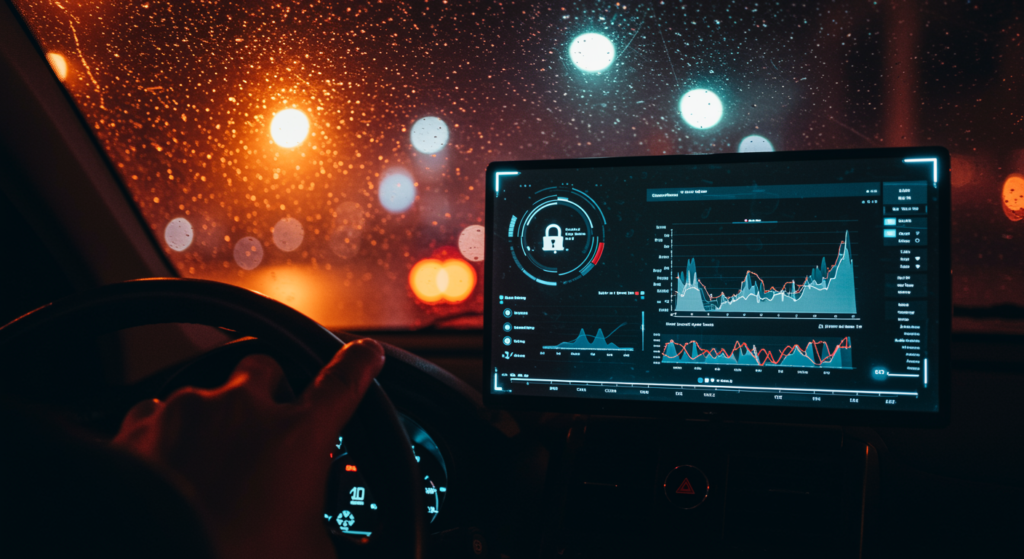
Why Cybersecurity in Automobiles Matters
Connected vehicles are exposed to a wide range of cyber threats, including:
- Remote hacking of control systems (brakes, steering)
- GPS spoofing and location tracking
- Data theft from infotainment and onboard diagnostics
- Ransomware targeting fleet vehicles
- Over-the-air (OTA) update tampering
A single breach can compromise driver safety, expose private data, or even enable theft of the entire vehicle.
Real-World Examples of Automotive Cyber Threats
Automotive cybersecurity is no longer theoretical. High-profile hacks have exposed critical vulnerabilities in connected vehicles, proving that cyber threats can directly impact driver safety and vehicle control.
1. Jeep Cherokee Hack (2015):
In a groundbreaking demonstration, cybersecurity researchers remotely accessed a Jeep Cherokee through its infotainment system. They were able to disable the brakes, manipulate the steering, and shut down the engine—showing how easily a vehicle can be hijacked without physical access.
2. Tesla Model S Exploit (2020):
Researchers exploited a Bluetooth vulnerability to gain unauthorized access to a Tesla Model S. This allowed control over key functions, highlighting the dangers of unsecured wireless connectivity in modern electric vehicles.
These real-world attacks emphasize the urgent need for robust cybersecurity in today’s increasingly digital automotive industry.l — it’s happening now.
Major Automotive Cybersecurity Risks in 2025
| Threat | Description |
|---|---|
| CAN Bus Exploits | Hackers can send malicious signals through the Controller Area Network. |
| OTA Updates Tampering | If not encrypted, attackers can modify firmware updates. |
| Keyless Entry Attacks | Relay attacks can unlock and start vehicles without keys. |
| Infotainment System Hacking | Bluetooth and USB ports offer easy access if unsecured. |
| Fleet Management Vulnerabilities | Commercial fleets can be hijacked through centralized systems. |
How Automakers Can Improve Cybersecurity
1. Secure ECU Communication
Use encryption and authentication protocols for all communication between Electronic Control Units (ECUs).
2. Enforce Over-the-Air Update Security
All firmware updates must be digitally signed and encrypted to prevent tampering.
3. Implement Intrusion Detection Systems (IDS)
Install onboard IDS that monitor anomalies in vehicle behavior or network traffic.
4. Regular Penetration Testing
Simulate attacks to discover vulnerabilities before criminals do.
5. Driver Education
Train consumers on cyber hygiene, especially with apps, Bluetooth, and connected services.
Regulatory Push for Automotive Cybersecurity
UNECE WP.29 Regulations
As of 2021, these regulations require automakers to implement Cybersecurity Management Systems (CSMS) for vehicle approval in Europe.
ISO/SAE 21434 Standard
This standard outlines risk assessment and engineering best practices for vehicle cybersecurity throughout the lifecycle.
Future Trends: Automotive Cybersecurity in the Age of AI and EVs
1.AI-powered Anomaly Detection for Automotive Cybersecurity
As vehicles become more connected, the need for real-time threat detection becomes crucial. AI-powered anomaly detection uses machine learning algorithms to continuously monitor vehicle systems and identify unusual patterns of behavior. By analyzing vast amounts of data from sensors and connected devices, AI can quickly detect potential cyber threats, such as unauthorized access or malfunctioning systems. This proactive approach allows automakers to address vulnerabilities before they escalate into major security incidents.
2.Blockchain for Secure Vehicle Identity
Blockchain technology is revolutionizing the way vehicles authenticate their components and software. By creating a decentralized and immutable ledger, blockchain ensures that all critical vehicle data is securely stored and cannot be altered or tampered with. This is especially important for verifying the authenticity of vehicle software updates and ensuring that only trusted updates are installed. Blockchain also plays a role in securely managing vehicle ownership records and preventing fraudulent activity in the resale market.
3.Post-Quantum Encryption Protocols
With the rise of quantum computing, traditional encryption methods may become obsolete. To stay ahead of this emerging threat, the automotive industry is investing in post-quantum encryption protocols. These advanced encryption techniques are designed to resist the computational power of quantum computers, ensuring that sensitive vehicle data, like driver information and route planning, remains secure. By preparing for a post-quantum world, automakers can safeguard connected vehicles against future cybersecurity risks.
4.Increased Focus on EV Charging Infrastructure Security
As electric vehicles (EVs) become more mainstream, the security of EV charging infrastructure is gaining significant attention. Charging stations are potential entry points for cyberattacks that could compromise vehicle data or disrupt charging operations. To prevent such vulnerabilities, automakers and charging providers are implementing stronger encryption and authentication protocols for charging station communications. Additionally, secure payment systems and monitoring tools are being developed to protect EV owners and service providers from cyber threats.
As electric vehicles (EVs) and autonomous cars take over the roads, cyber defense must evolve alongside.
Conclusion: Cybersecurity Is the New Automotive Safety
In 2025 and beyond, a secure car is a safe car.
As technology reshapes transportation, automakers, software providers, and consumers must work together to protect vehicles from evolving cyber threats.
Cybersecurity must be built into the design, not added later.
Because when it comes to modern mobility, safety isn’t just about airbags — it’s about firewalls too.
🚘 Frequently Asked Questions (FAQs) About Automotive Cybersecurity
1. What is automotive cybersecurity?
Automotive cybersecurity refers to the protection of a vehicle’s electronic systems, software, and communication networks from unauthorized access, attacks, or damage by cybercriminals.
2. Why is cybersecurity important in modern vehicles?
Modern vehicles use connected systems, such as infotainment units, GPS, and autonomous driving features. Without strong cybersecurity, hackers can exploit these systems to steal data, control the vehicle remotely, or cause physical harm.
3. Can a car really be hacked?
Yes, cars can be hacked. Several high-profile incidents, including the Jeep Cherokee hack and Tesla security breaches, have shown that remote vehicle attacks are real and dangerous.
4. What are common cyber threats in vehicles?
Common automotive cyber threats include:
- CAN bus attacks
- Keyless entry relay attacks
- Over-the-air (OTA) update tampering
- Malware in infotainment systems
- Bluetooth and Wi-Fi vulnerabilities
5. How can car manufacturers improve cybersecurity?
Automakers can:
- Implement encryption and digital signatures
- Use intrusion detection systems (IDS)
- Regularly test for vulnerabilities
- Follow international standards like ISO/SAE 21434
- Secure OTA updates and ECUs
6. Are there cybersecurity regulations for vehicles?
Yes, the UNECE WP.29 regulation requires manufacturers to manage cybersecurity risks across the entire vehicle lifecycle. Additionally, ISO/SAE 21434 is the leading standard for vehicle cybersecurity best practices.
7. Can vehicle owners do anything to protect their cars?
Yes. Vehicle owners should.
Enable two-factor authentication where available
Avoid connecting unknown USB or Bluetooth devices
Use secure, updated mobile apps
Regularly check for software updates
Upgrade your typing experience with the EZ Keyboard Wireless USB Keyboard. This high-tech keyboard combines style and functionality, featuring a custom layout of English language alpha-numeric keys.
Watch the video now to see how this innovative keyboard can upgrade your typing efficiency!
Watch Video: https://cutt.ly/hruGwtkP
Say goodbye to the traditional keyboard layout and experience a more intuitive way to type! The ABC Keyboard is designed with the actual alphabetical order, making it perfect for beginners, children, and anyone looking for a more natural typing experience.
Check it out: https://cutt.ly/jruGqMLO
Hi,
Well done on acquiring alltechmantra.com! It’s thrilling to begin a new online adventure.
In line with our program to assist new domain owners, I’m reaching out with a useful resource for alltechmantra.com.
It’s called the Google Maps Lead Collector – a Chrome extension that enables you to find local businesses in your area.
I’ve put together a quick video that shows how it works:
https://www.youtube.com/watch?time_continue=20&v=1Dd7i4vNgu0
This free tool enables you to:
Quickly download targeted business leads
Locate leads in targeted niches
Streamline your prospecting
Start growing your business right away
You’ll get 50 leads per search with no limit on the number of searches!
Download your free copy from the video description.
https://www.youtube.com/watch?time_continue=20&v=1Dd7i4vNgu0
Rooting for your success with alltechmantra.com! Feel free to reach out with any concerns.
Best regards,
Gregory Cartwright
Digital Marketing Specialist