
In 2023, Sarah Murray, a commercial fashion model, came across her first AI-generated model—a digitally crafted woman of color wearing a Levi’s denim overall dress. What should have been a moment of innovation instead left her feeling exhausted and uneasy. It was the beginning of a shift in fashion advertising that’s now become impossible to ignore.
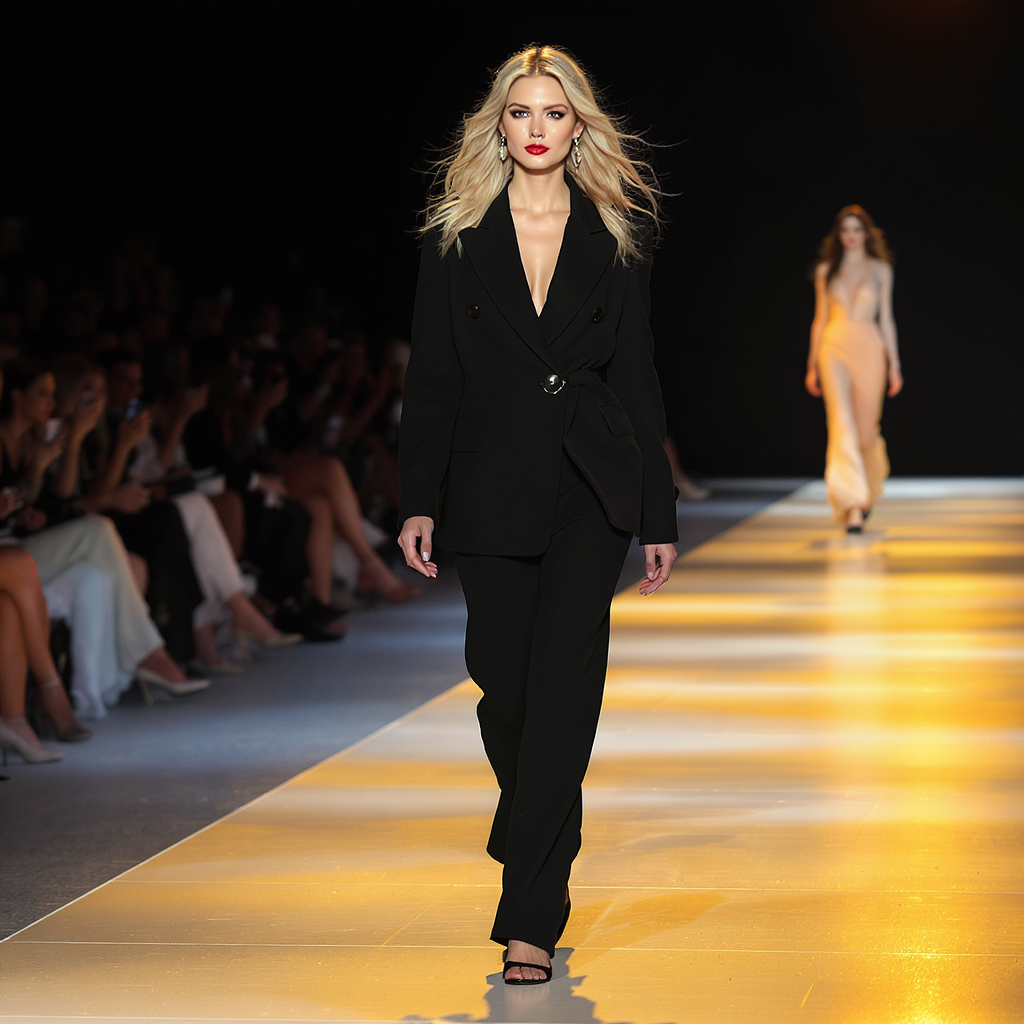
Today, AI models are not just test projects—they’re featured in major ad campaigns, including a recent Guess advertisement in the July 2025 issue of Vogue. The model, a striking example of North American beauty standards, wasn’t human. She was AI-generated.
And this time, she appeared in Vogue—the industry’s style authority—bringing AI modeling to the mainstream and sparking widespread controversy.
Why Are Fashion Brands Using AI Models?
The answer is simple: cost and scalability.
Fashion brands are under intense pressure to create thousands of pieces of content every year for digital platforms—TikTok, Instagram, e-commerce sites, newsletters, and more. According to PJ Pereira, co-founder of AI ad agency Silverside AI, the traditional fashion marketing model was built for four campaigns a year. Now, brands need 400 to 400,000 assets annually, and the economics just don’t add up using traditional photoshoots.
🔹 “It’s Just So Much Cheaper”
AI-generated models can pose in any outfit, in any location, in any season—without flying teams around the world or hiring photographers, stylists, and models. As Amy Odell, fashion writer and biographer of Gwyneth Paltrow, noted:
“Brands need a lot of content, and it just adds up. So if they can save money on print ads or TikToks, they will.”
The Impact on Real Models and Creatives
While AI offers efficiency, it comes at a human cost.
Sinead Bovell, a model and founder of WAYE, warned that e-commerce modeling is most at risk. These jobs, though less glamorous than editorial shoots, are essential income sources for thousands of working models.
“E-commerce is where most models make their bread and butter… It’s not necessarily the path to model fame, but it is the path for financial security,” she told TechCrunch.
Beyond models, entire production teams—**photographers, stylists, set designers, editors—**stand to lose work as AI systems streamline content creation.
Artificial Diversity or Inclusive Innovation?
One of the most controversial aspects of AI modeling is its claim to diversity. When Levi’s partnered with AI studio Lalaland.ai to create “diverse digital models,” the backlash was fierce. Critics called it “artificial diversity,” pointing out that replacing marginalized human models with virtual ones does not address systemic exclusion in the industry.
And many argue that the standards of perfection set by AI—flawless skin, symmetrical faces, hyper-stylized features—are only making things harder for real models to compete.
A Growing List of Brands Using AI Models
AI-generated fashion content isn’t new, but its adoption is accelerating. Brands that have already experimented with or embraced virtual modeling include:
- Levi’s
- Guess
- H&M
- Mango
- Calvin Klein
- Veepee (a French retailer using digital mannequins since 2013)
Luxury brands are also exploring AI solutions to cut costs and keep up with content demand.
The Future of Fashion: Hybrid or Fully Digital?
As AI modeling technology improves, the fashion industry faces a critical decision: Will human creativity and presence remain essential, or will the industry fully embrace artificial beauty?
For now, some see room for coexistence—a hybrid approach where AI complements human talent rather than replaces it. But others fear we’re heading toward a future where real people become optional in their own professions.
Final Thoughts: What’s the Point of Humans?
The rise of AI models is forcing the fashion world—and society—to confront an uncomfortable question:
If machines can create perfect beauty, at a fraction of the cost, where does that leave real people?
It’s not just about jobs. It’s about identity, representation, and the soul of creativity in an industry that has always thrived on human expression.
As Vogue’s inclusion of an AI model in a high-profile ad suggests, the line between real and artificial is getting blurrier. And the fashion world must now decide how far it’s willing to go.