
In a major development in the ongoing global battle over digital privacy, the U.K. government has reportedly walked back from its secretive demand that Apple create a backdoor to its end-to-end encrypted services. The move comes after significant pressure from the U.S. government and a public backlash from privacy advocates.
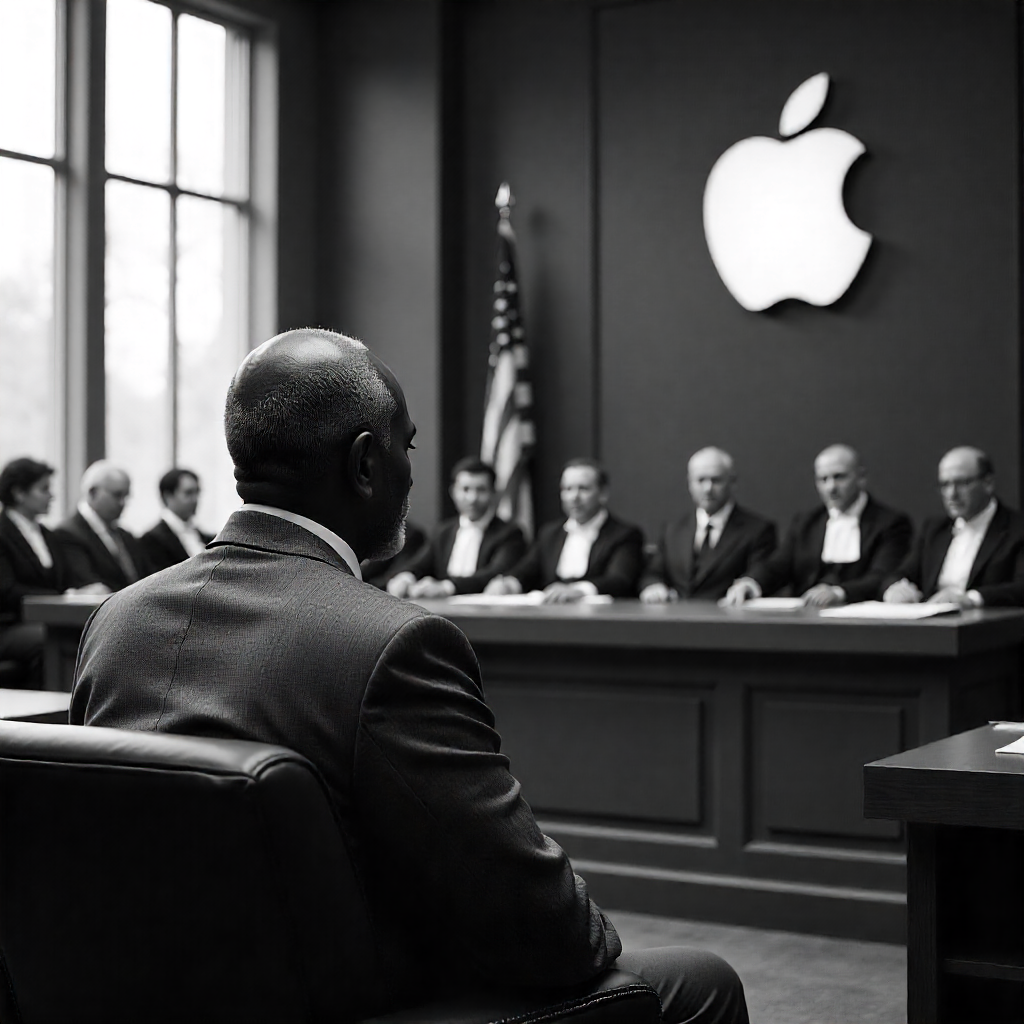
Earlier this year, The Washington Post reported that the U.K. Home Office sought a covert court order compelling Apple to give authorities access to the encrypted cloud data of any iPhone or iPad user globally. Apple, which has long defended end-to-end encryption, encrypts this data in such a way that even Apple itself cannot access it.
Under British surveillance laws, companies like Apple are prohibited from disclosing whether they have received such technical capability notices. However, the leaked details sparked concerns that the U.K. could force tech firms to undermine encryption—potentially jeopardizing the privacy of millions worldwide.
In response, Apple has filed an appeal against the legality of the order, calling the demand “draconian” and a threat to user privacy.
Google and Meta Speak Out
While Apple’s legal battle continues, attention has turned to other tech giants like Google and Meta.
In a letter sent this week to Tulsi Gabbard, a top U.S. intelligence official, Senator Ron Wyden asked whether companies like Google had received similar demands. While Google initially refused to comment directly to Wyden’s office—citing the legal restrictions of the U.K.’s surveillance laws—the company has now clarified its position publicly.
Speaking to TechCrunch, Google spokesperson Karl Ryan stated:
“We have never built any mechanism or ‘backdoor’ to circumvent end-to-end encryption in our products. If we say a product is end-to-end encrypted, it is.”
When pressed further, Ryan confirmed that Google has not received a technical capabilities notice from the U.K., marking the first time the tech giant has made such a statement publicly.
Meta, the parent company of WhatsApp and Facebook Messenger, told Senator Wyden’s office in March that it also had not received any order to backdoor its encrypted services.
What’s at Stake for Users?
This controversy underscores growing concerns about international attempts to undermine encryption in the name of national security. While governments argue that such powers are essential to combat terrorism and crime, privacy advocates and tech companies warn that any backdoor—even if created with good intentions—could be exploited by bad actors.
Senator Wyden is now calling on the U.S. intelligence community to release its own assessment of the national security risks posed by the U.K.’s surveillance laws. His letter argues that transparency is critical when foreign governments attempt to compel U.S. companies to compromise user privacy on a global scale.
Final Thoughts
The U.K.’s reported retreat from its demands on Apple signals a temporary victory for privacy advocates. But the battle over encryption is far from over. As digital communication becomes more integral to everyday life, the tension between national security and individual privacy will continue to spark legal, ethical, and political debates.
For now, users of Apple, Google, and Meta services can breathe a little easier—knowing that, at least for now, their encrypted data remains private.