
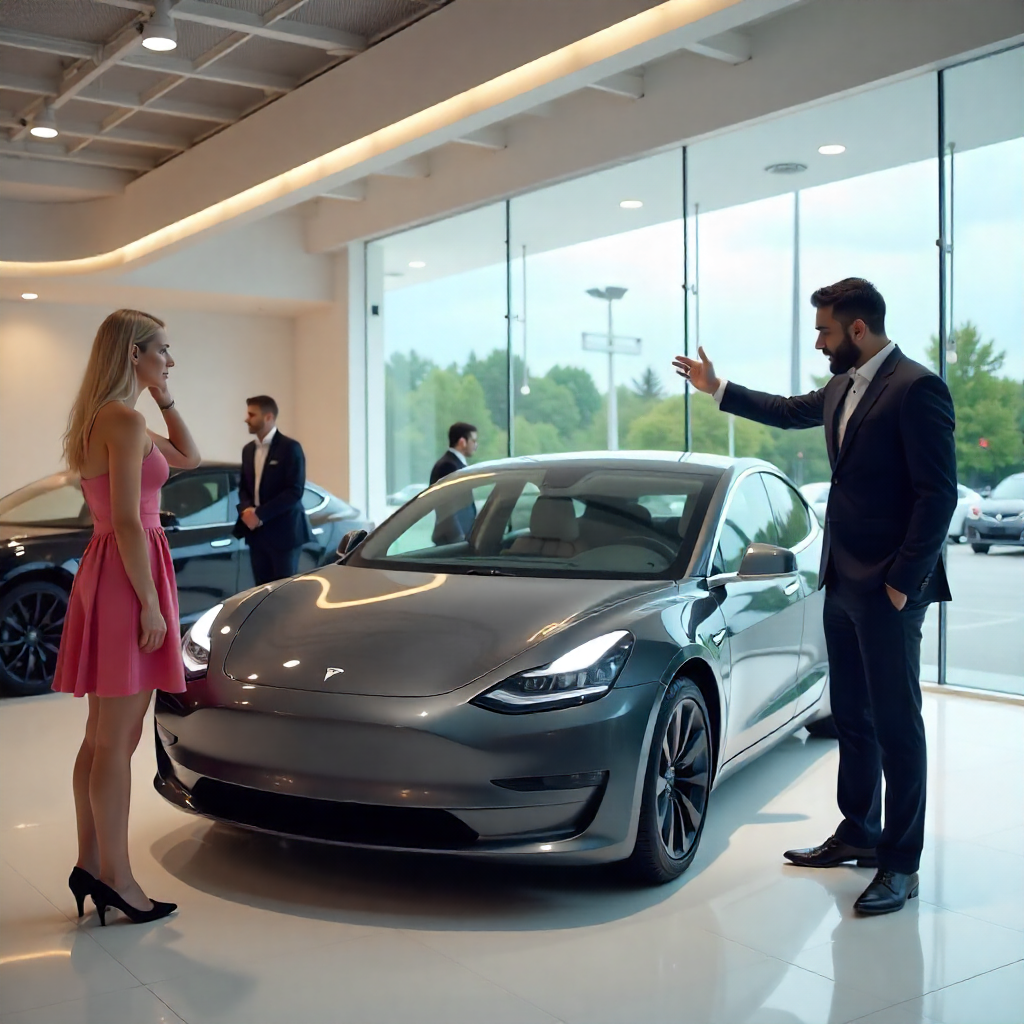
After nearly a decade of anticipation, Tesla finally opened its first showroom in India — but the moment failed to spark excitement among the brand’s earliest and most passionate supporters. Instead of celebration, the launch was met with frustration, muted enthusiasm, and questions about whether Tesla has already lost its edge in one of the world’s fastest-growing electric vehicle markets.
Early Enthusiasts Left in the Cold
Back in 2016, Elon Musk promised to bring Tesla’s Model 3 to India. Thousands of tech-savvy and sustainability-conscious Indians, including startup founders like Vishal Gondal (GOQii) and Amit Bhawani (PhoneRadar), pre-booked the car with a $1,000 reservation. But nine years later, those cars never arrived — and worse, many struggled to even get their refunds.
When Tesla finally opened its Mumbai showroom in Maker Maxity Mall, not a single early reservation holder received an invite. Gondal, who had held out hope for years, showed up on launch day — in his Audi e-Tron.
A Brand That’s Lost Its Buzz
Tesla’s India showroom lacked the flair of launches by brands like Apple, which opened its own store in the same mall. The event’s underwhelming atmosphere, lack of engagement with early backers, and absence of community-building efforts sent a clear message: Tesla’s focus isn’t on its early Indian supporters.
No Local Manufacturing, Sky-High Prices
Tesla has launched the Model Y in India at a starting price of ₹59,89,000 (around $68,000) — far more than the U.S. price of $44,990. Why the difference? Tesla is importing the cars from China as CBUs (Completely Built-Up Units), meaning steep import duties are passed on to customers.
With EVs still a niche in India’s auto market, and Tata Motors dominating the electric segment with far more affordable options, Tesla’s premium pricing may limit its appeal. According to S&P Global, India’s premium car segment represents just 1% of all car sales, and of that, only 10% are EVs.
Lack of Infrastructure and After-Sales Support
Tesla promises to build eight Supercharger stations — four each in Delhi and Mumbai — but many prospective buyers are skeptical. Without a broader charging network and clear after-sales service plans, early adopters worry about long-term ownership headaches.
Elon Musk’s Changing Image in India
Once hailed as a visionary, Elon Musk’s recent political activity — especially his alignment with Donald Trump — is also impacting Tesla’s image in India. Some Indian tech leaders who once championed Musk now say they no longer relate to him or the brand’s mission.
Conclusion: A Missed Opportunity?
Once hailed as a visionary, Elon Musk’s recent political activity — especially his alignment with Donald Trump — is also impacting Tesla’s image in India. Some Indian tech leaders who once championed Musk now say they no longer relate to him or the brand’s mission.
Tesla’s India launch could have been a celebration of innovation, sustainability, and early believers. Instead, it has left many feeling ignored. As Indian consumers become more EV-savvy and options from Tata, MG, BMW, and Mercedes-Benz grow, Tesla may find itself playing catch-up in a market where it once had the first-mover buzz — but now just feels like another expensive option.
Key Takeaways:
- Tesla launched the Model Y in India but didn’t invite early reservation holders.
- The high price (₹59.8 lakh) is due to import duties from China.
- Lack of charging infrastructure and unclear service plans raise concerns.
- Many Indian Tesla loyalists now prefer competing EV brands.
- Elon Musk’s recent political involvement is turning some Indian fans away.